September 17, 2026
Managing a modern household presents daily operational challenges, from maintaining basic security and perimeter defense to controlling monthly energy costs and handling endless domestic chores. Smart home services offer a comprehensive solution by streamlining many of the persistent hassles that homeowners face daily. By integrating connected devices into a single, cohesive network, homeowners can eliminate friction, improve home safety, reduce resource waste, and gain precise control over their living environments.
Securing Your Household with Automated Surveillance
Automated surveillance systems form a cornerstone of modern security by offering round-the-clock monitoring to detect suspicious activity instantly. Features like motion detection, facial recognition, automated night vision, and localized perimeter sensors lower the risk of unauthorized entry while minimizing the time spent manually reviewing raw footage. Managing these systems through intuitive mobile applications lets homeowners monitor properties remotely, view high-definition live feeds, review incident logs, and contact emergency authorities quickly during potential breaches, ensuring complete situational awareness regardless of physical location.
These surveillance options are highly customizable, enabling tailor-made security perimeters that link directly with other security hardware across the property. When connected with outdoor lighting and audible alarms, motion-triggered cameras create a multi-layered defense network that deters potential intruders long before they reach an entryway. This connected defense lowers intruder risks, eases persistent homeowner anxiety, and directly enhances property safety. Investing in professional smart home services ensures these advanced surveillance tools function reliably without installation missteps, network interference, hardware misconfigurations, or coverage blind spots.
According to Consumer Affairs, 77% of smart home device owners say that the smart home devices improve their quality of life. Tailoring real-time alerts, camera placements, sensitivity thresholds, and automated recording rules creates a stable environment that dramatically reduces daily stress for busy families. Rather than worrying about home safety while at work, running errands, or on vacation, residents maintain immediate, dependable oversight. Ultimately, robust automated surveillance offers an essential foundation for long-term peace of mind and effortless property protection.
Streamlining Property Access through Keyless Lock Systems
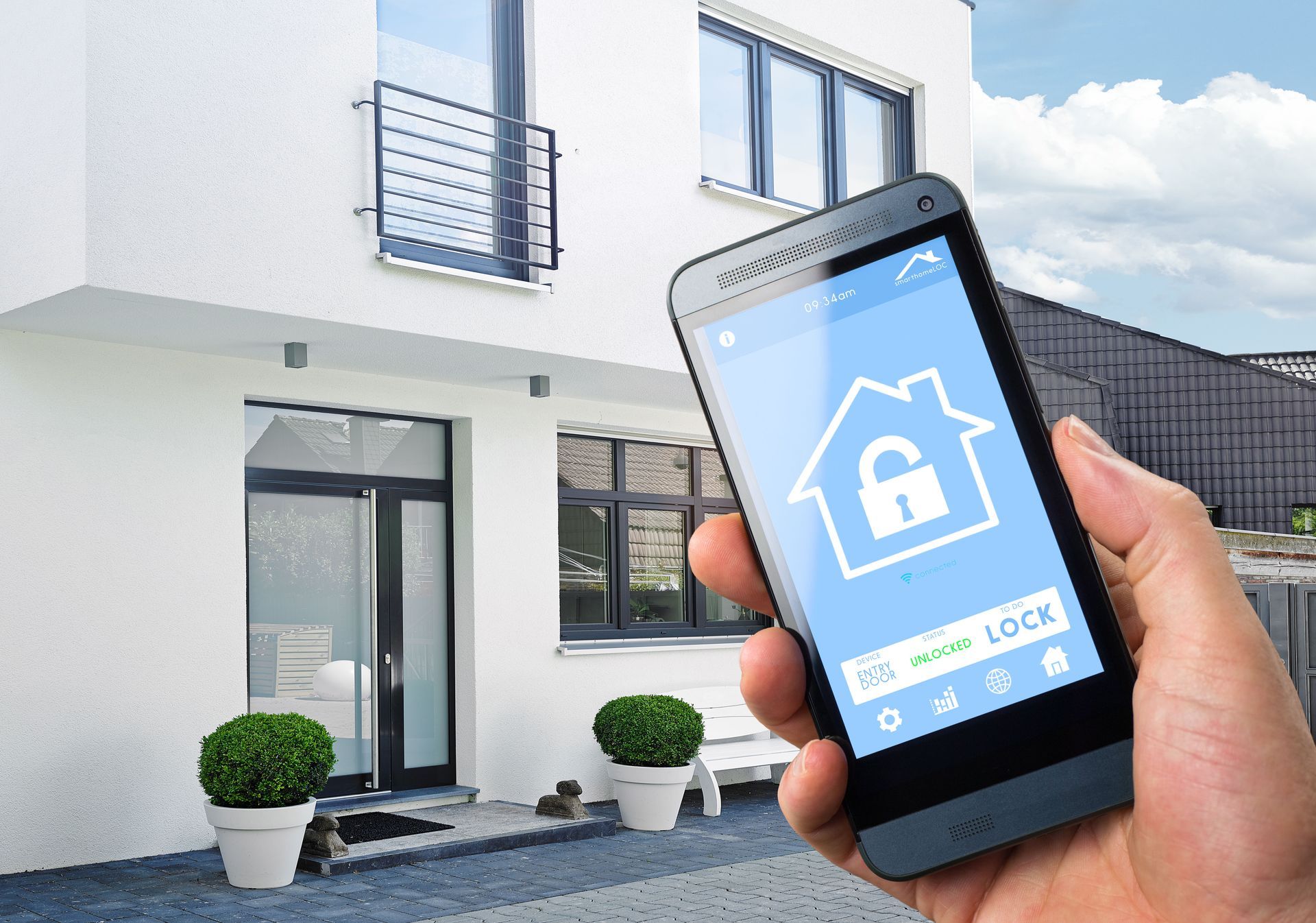
Smart locks replace traditional physical keys with digital access methods, eliminating concerns over misplaced, stolen, or copied keys. Keyless entry systems allow homeowners to assign unique digital PIN codes to individual family members, service personnel, cleaner teams, or guests, providing precise access control. Remote management features also allow doors to be locked or unlocked at any moment from a mobile phone, eliminating the frustrating guesswork and anxiety of wondering whether an exterior deadbolt was left unlatched after leaving for the day.
Entry tracking delivers real-time information regarding who enters or exits the residence, which aids in monitoring service workers, contractors, babysitters, or children arriving home safely after school. Syncing smart locks with indoor cameras and central alarm networks builds an intuitive security barrier that minimizes daily access issues while improving overall household access logging. Selecting comprehensive smart home services simplifies the configuration of these integrated entry platforms, ensuring smooth, encrypted connectivity between door locks, main controllers, and smartphone applications.
Keyless locks improve personal safety while adding significant everyday convenience to standard entry and exit routines. Preventing accidental lockouts, managing temporary guest permits remotely, and enabling hands-free unlocking when carrying heavy groceries drastically reduces household friction. By decreasing manual access steps and removing physical keys entirely from daily routines, these modern entry systems make maintaining property security far simpler and far more adaptable to dynamic modern schedules.
Optimizing Climate Control via Smart Thermostat Technology
Smart thermostats optimize indoor heating and cooling schedules based on user preferences, real-time occupancy, thermal sensor feedback, and local atmospheric conditions. By automatically modifying indoor temperatures when rooms or entire floors are unoccupied, these systems decrease energy consumption without sacrificing climate comfort when residents are actively present. Tracking functions supply detailed real-time energy reports, enabling informed decisions that systematically cut costs on monthly power utility bills while highlighting potential system inefficiencies or draft vulnerabilities.
Remote climate access through dedicated mobile apps lets homeowners manage temperatures while away, preventing wasted energy during unexpected schedule changes, delayed return trips, or extended travel. Decreasing unnecessary system wear and tear through automated scheduling extends heating, ventilation, and air conditioning (HVAC) unit operational lifetimes while lowering long-term maintenance and repair costs. Professional smart home services can handle complex unit wiring, multi-zone configuration, and sensor calibration to maximize overall system performance and energy yield.
Lower power consumption aligns daily household operations with sustainable living practices without requiring constant manual intervention or thermostat adjustments. Integrating automated thermostats minimizes utility expenses while establishing consistent, customizable indoor comfort for every room in the home throughout changing seasons. These efficiency tools offer tangible financial benefits alongside reduced manual oversight, making smart climate control one of the most cost-effective upgrades available today.
Lowering Monthly Utility Costs with Automated Lighting
Automated lighting controls reduce unnecessary electricity usage by scheduling fixtures or utilizing occupancy sensors to turn off lights in empty rooms automatically. Regulating light usage preserves bulb longevity and lowers fixture maintenance costs over time, ensuring that lamps and recessed ceiling lights operate only when actively needed. Homeowners can set specific lighting profiles that align with work hours, natural daylight variations, seasonal shifts, travel schedules, or evening bedtime routines.
Connecting smart lighting with voice assistants or motion sensors creates a hands-free experience across multi-room layouts, eliminating the need to hunt for light switches in the dark or navigate dark hallways. Advanced dimming features allow users to fine-tune illumination levels for specific tasks while curbing peak power drain throughout the residence. Deploying full-property lighting setups through expert smart home services helps establish smooth, responsive coverage across all interior rooms and exterior landscape zones, preventing network dropouts or switch latency.
Systematic light automation supports broader energy conservation goals by lowering total home grid reliance and preventing unnecessary power drain around the clock. Consistent automated schedules prevent outdoor fixtures from running unnecessarily overnight or interior lights remaining powered while occupants are away on vacation. Controlling residential lighting effectively keeps operational expenses manageable while enhancing living spaces with modern, atmospheric lighting controls tailored effortlessly to any occasion.
Simplifying Household Tasks via Connected Appliance Integration
Smart appliances refine daily household routines by automating time-consuming chores and streamlining kitchen and laundry operations. Intelligent refrigerators, ovens, dishwashers, clothes washers, and dryers can be scheduled, monitored, or operated remotely to improve task management throughout the week. Preset operating modes optimize water and energy consumption, while automated diagnostic alerts keep owners informed about filter replacements, system cycles, leaks, and necessary mechanical maintenance before costly breakages occur.
Voice command systems like Amazon Alexa, Google Assistant, or Apple Siri streamline broad system management into simple direct voice prompts. Users can trigger custom routines to adjust ambient lighting, lock exterior doors, set security alarms, and change climate settings simultaneously with a single spoken phrase. Expanding these capabilities through dedicated smart home services ensures all connected appliances and third-party smart ecosystems communicate reliably without radio interference, hub disconnects, or software incompatibility.
Automating repetitive household responsibilities provides extra time for leisure activities, personal interests, family time, and productivity. Connected tools lower everyday stress by executing routine maintenance and home management tasks silently in the background. Modern home automation equips residences to operate efficiently with minimal direct intervention, turning complex domestic environments into seamless, enjoyable living spaces. For more information about the services that we offer, reach out to our incredible team at Turn-Key Services today!