July 21, 2026
As concerns over environmental sustainability grow, the importance of energy efficiency in homes has never been higher. Modern home automation technologies offer a promising avenue for significantly reducing energy consumption. By integrating comprehensive smart home services, homeowners can achieve substantial energy savings and contribute positively to the environment. Home automation systems encompass a wide range of technologies and devices that provide enhanced control over domestic energy use, leading to a more efficient, energy-conscious home.
Overviewing Home Automation Systems
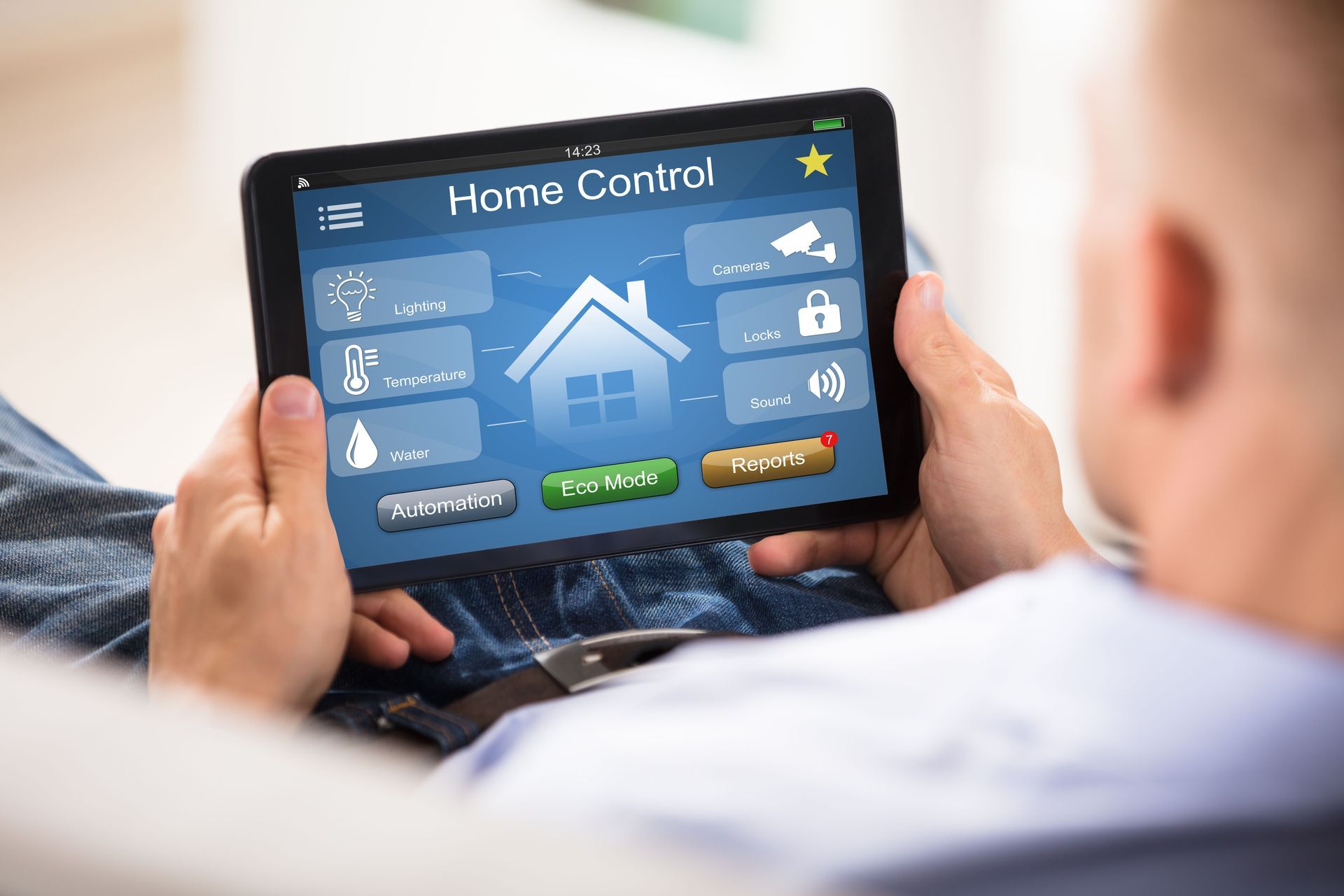
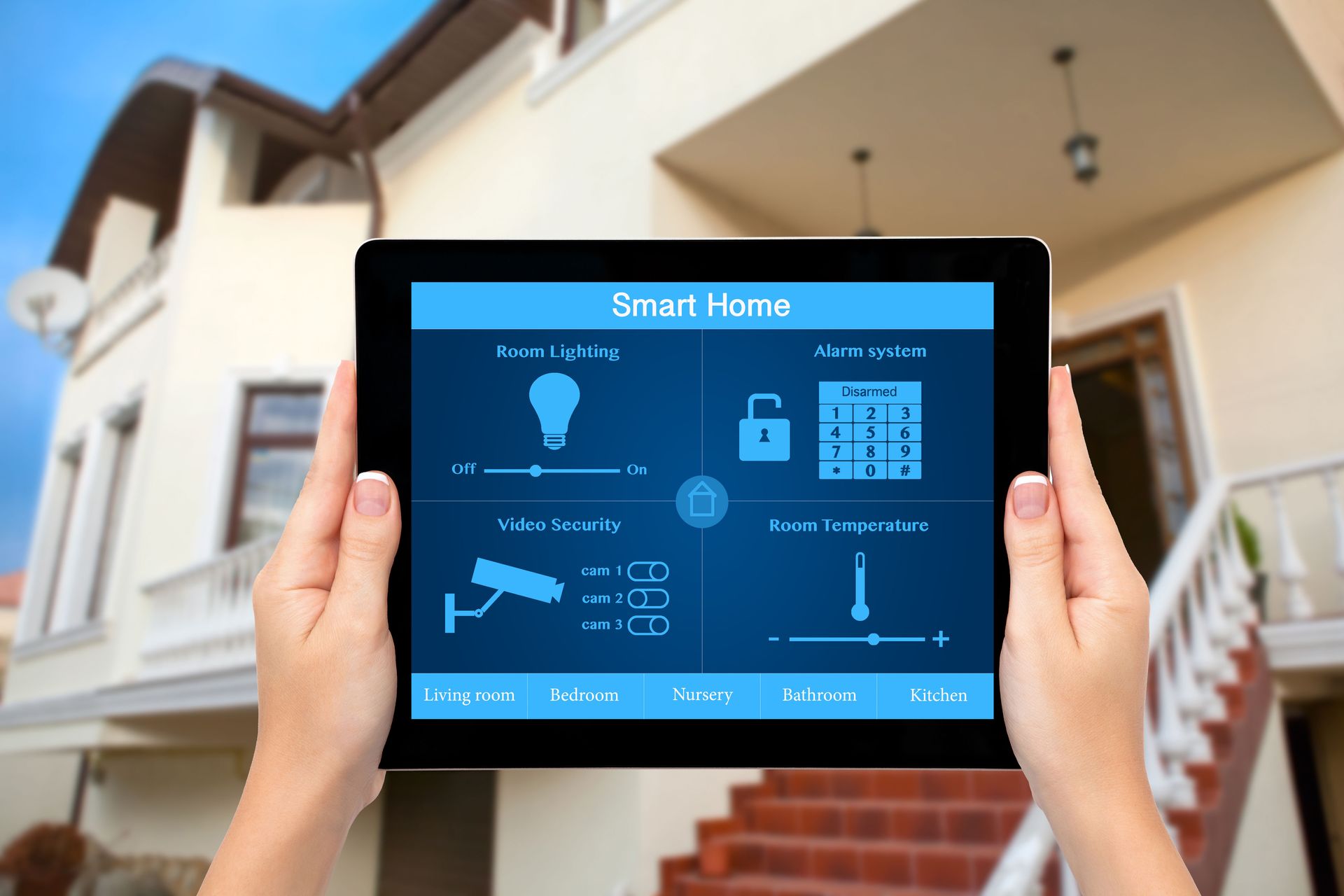
Smart technology refers to the use of devices and systems that utilize advanced algorithms and connectivity to simplify home management. At its core, smart technology automates traditional home functions for improved efficiency and user convenience. Common components include sensors, smart hubs, and specialized apps that work together to control various home elements. Popular devices, such as smart thermostats and lighting systems, allow users to optimize energy usage seamlessly while introducing cohesive smart home services to their living spaces.
The main appeal of smart technology lies in its versatility and integration capabilities with existing home infrastructure. Many systems can connect wirelessly or through minimal wiring, making retrofitting into older properties a viable option. With innovations in software development, these setups are now more intuitive and accessible via smartphones and voice-activated devices. As consumer interest grows, trends indicate increased adoption of automated networks, highlighting their potential for widespread environmental impact.
Among the most significant aspects of smart technology is its role in promoting energy efficiency. By enabling real-time monitoring and remote control of home systems, users gain immediate insights into energy consumption patterns. This ability to monitor and adjust usage not only results in cost savings but also reduces the household's overall environmental footprint. Over time, these combined smart home services can offset initial investment costs and boost long-term property value.
Implementing Smart Lighting Solutions
Smart lighting systems offer a range of features that enhance energy conservation. One of the primary benefits is their energy-efficient nature, especially when utilizing LED technology. Motion detection capabilities ensure that lights are only in use when necessary, automatically turning off when a room is vacant. These systems can also be accessed and controlled remotely, adding a layer of convenience for users. According to GovTech, LED smart lighting can reduce lighting-related energy costs by up to 70%.
The ability to adjust the brightness levels of smart lighting contributes to further energy conservation. Users can set different levels of lighting suitable for various activities, minimizing unnecessary energy use. Additionally, smart lighting can be integrated with other home systems, like security networks or automated thermostats, for an enhanced and cohesive home environment. Integration allows for scenarios such as automatically dimming lights when watching a movie or intensifying them for tasks that require focus.
Numerous types of smart lighting are available, including LED smart bulbs, smart switches, and automated shades. Each variety serves different needs and offers distinct advantages; for instance, automated shades can regulate natural light, assisting with temperature control and reducing the need for artificial lighting. Lighting schedules can be easily programmed through applications, providing a practical means of ensuring energy efficiency without manual intervention. Furthermore, the integration of voice control simplifies daily operations.
Optimizing Climate Control Dynamically
Smart thermostats function by gathering data from built-in sensors to monitor home temperatures and occupancy. This information enables them to make informed adjustments to maintain optimal heating and cooling conditions. Adaptive learning algorithms, integral to many smart thermostats, learn user preferences over time and adjust settings automatically to maximize comfort and efficiency. Their seamless integration with existing HVAC systems ensures that any enhancements complement rather than complicate current setups.
Most smart thermostats offer multiple methods of control, including voice commands and mobile applications. This flexibility allows homeowners to make temperature changes from anywhere, ensuring that energy is not wasted when no one is home. Additionally, these devices provide detailed reports on energy usage patterns, helping users to understand and optimize their consumption habits. Insights from these reports can lead to more tailored and effective energy-saving strategies, promoting proactive energy management.
Smart thermostats offer numerous benefits, including optimized heating and cooling that match actual usage patterns rather than traditional rigid schedules. They also incorporate advanced features such as geo-fencing, which adjusts temperatures based on the user's proximity to home, ensuring comfort upon arrival without unnecessary energy expenditure. Scheduling capabilities allow further customization, balancing comfort and savings. Some models even provide customizable temperature zones, adapting to the specific needs of various areas within the structure.
Managing Smart Appliances Efficiently
Smart appliances are designed to enhance efficiency and performance through connectivity and automation. These devices come equipped with advanced features that allow for energy-efficient operation and often carry energy efficiency ratings that inform users about their consumption. With remote monitoring and control capabilities, homeowners can manage their appliances from afar, ensuring they operate only as needed. This functionality reduces waste and optimizes energy use, contributing to long-term utility savings.
Many smart appliances can adapt usage patterns based on user behavior, learning to conduct operations during off-peak electricity periods. This smart scheduling minimizes energy costs without sacrificing performance. Compatibility with broader automated systems is another critical advantage, allowing appliances to work in concert with other automated features for enhanced overall efficiency. The seamless operation boosts household convenience while supporting broader energy conservation goals.
When selecting new appliances, prioritizing energy-efficient options is crucial. Deliberate choices can include refrigerators and freezers that promise optimized energy use without compromising food preservation. Smart dishwashers and laundry machines provide functions like energy-saving cycles that use less water and electricity. Options such as smart ovens and stovetops allow precise temperature control, minimizing energy wastage. Homeowners might also consider small smart appliances that adjust settings to remain efficient when not in active use.
Conserving Resources Through Automation
Home automation systems also extend their efficiency benefits to water management, substantially aiding in resource and energy savings. Smart irrigation systems optimize watering schedules based on weather forecasts and soil moisture levels, reducing water waste. Leak detection technology offers timely alerts for issues, preventing potential damage and unnecessary water loss. These specialized smart home services protect the property and reduce the electricity used for water heating purposes.
Monitoring water consumption at granular levels enables users to track usage habits and identify savings opportunities. Automation features in faucets and showers contribute to conservation efforts by minimizing water discharge during tasks such as brushing teeth or lathering. Integration with water heaters ensures that heating only occurs during necessary times, reducing standby energy losses. Collectively, these strategies lead to lower water bills and optimized energy usage.
The role of smart water systems in energy savings is profound, as reducing heating costs directly correlates with overall energy efficiency. By optimizing water usage, homeowners prevent excessive energy expenditure on both water delivery and temperature control. Prompt detection of leaks and wise scheduling further contribute to reduced water waste, lower utility bills, and sustainability. Their impact extends beyond financial savings to tangible environmental conservation, aligning with broader ecological goals.
Home automation plays a crucial role in enhancing energy efficiency by combining technology with everyday home functions. Advanced smart home services provide tools for substantial energy savings, while also promoting environmental benefits, convenience, and comfort. By improving energy management through automation, homeowners can transition to a more efficient future and align their practices with sustainable lifestyles. Taking practical steps to integrate these technologies can make a significant impact and drive user satisfaction. Given the potential benefits, the transition to an automated home represents a positive and forward-thinking choice for energy-conscious individuals. For more information about the services that we offer, reach out to our incredible team at Turn-Key Services today!